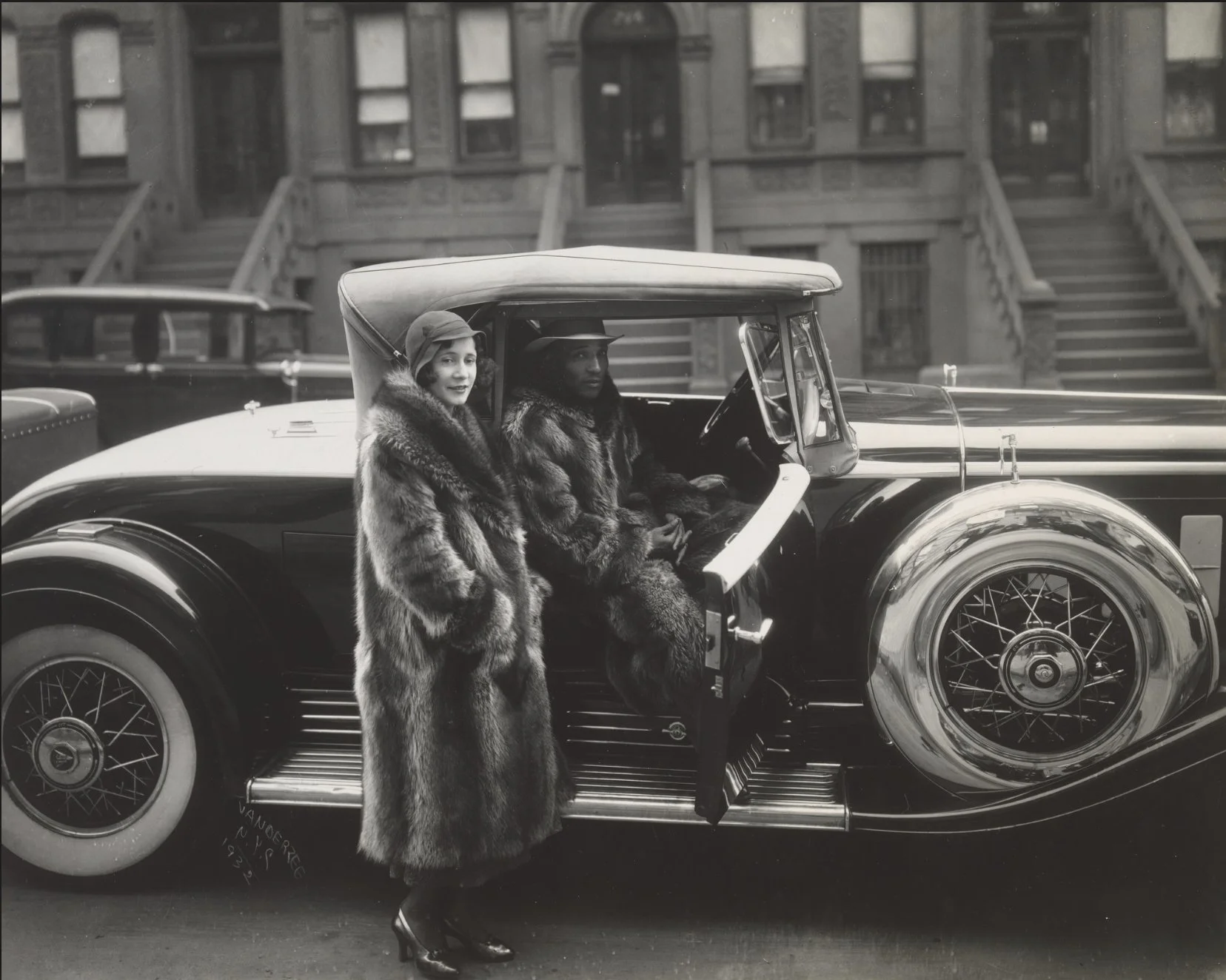
James Van Der Zee, Couple, Harlem 1932, © 2026 Estate of James Van Der Zee. www.moma.org Acquired through the generosity of Richard E. and Laura Salomon.
Afterimage by Nydia Blas:
I think it’s my all-time favorite photograph. When I was asked about Afterimage, this came straight to my mind. It feels like it’s been in my head forever, but I probably became more familiar with it during graduate school in 2013. By chance, I realized that I had taken a photograph that kind of spoke back to this one, without realizing they were in conversation. That moment of connection is one of the reasons I’m drawn to photography in general: its ability to speak across generations and time, still remaining relevant. Everything we’ve ever seen is somewhere in our minds, and we never know when we might reference it, be reminded of it, or recall it creatively. That’s one of the things I find fascinating about photography. I’ve never exhibited this photo.
I’m from New York, and in 2016, while visiting Atlanta—where I now live—I was at the High Museum. I turned a corner and saw this photograph in a frame. It surprised me to encounter it in person after having seen it so many times on a screen. That was a beautiful moment. The image doesn’t change, but we do in relation to it. I have changed and grown since I first looked at it. Even my worldview and thoughts are constantly expanding. It’s interesting to think about time: the photograph was taken during an important, powerful, and moving period, yet we find ourselves in similar moments again.
There are many aspects of this photograph that draw me to it. I like to think about the process of looking. When I look at something, I follow my feelings. I want what I see to move me, usually in a layered way. I also want complexity, because it makes me want to look longer and reflect. When I looked at this picture again, I understood why I loved it so much—it resonates with my subject matter. Looking at it now, with my 45-year-old eyes, in a world burning in many ways, and with a deeper understanding of myself and my work, I realize that this photograph makes me feel safe. In a time when everything feels confusing, this photograph feels clear—like a statement. I feel devoted to it. I admire it. I feel included in it, and I feel protected by it, with a sense of safety.
When I think of James Van Der Zee, a photographer popular during the Harlem Renaissance, I appreciate how he created a record, or counter-narrative, to the stereotypes about Black people at the time. In his photographs, the subjects—most often Black Americans—and the locations and clothing (what I like to call costumes) serve as markers for other things, like status. The car functions as a prop and feels powerful because it takes up almost the entire frame. It cuts through, making the subjects important. They feel safe. The light is very soft, and the car door is open just enough to welcome me into that space. These people seem to be inviting the viewer into an important space.
Afterimage is an ekphrastic series about that one image you see when you close your eyes, the one still lingering in your mind. We invite different people to reflect on an image they can't shake. This column has been a part of Objektiv since our very first issue in 2010.